

Key Takeaways
- Daily habits such as high stress and sleep loss can contribute to eyelid spasms.
- Screen fatigue and dry environments easily irritate your eyes.
- Nutritional imbalances, such as low magnesium levels, can affect your facial muscles.
- Simple home routines can calm a sudden spasm.
- Persistent or worsening twitches can indicate that it’s time to visit an eye doctor.
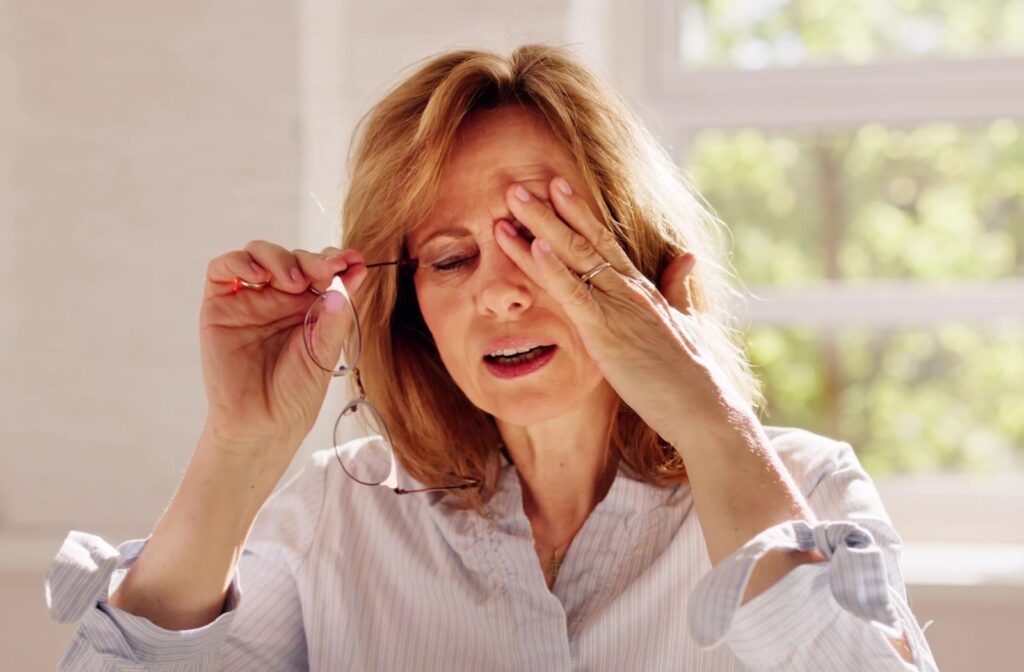
You sit down to read a book or look at your computer monitor when suddenly, your eyelid starts fluttering rapidly. It’s distracting, and no matter how much you rub it, the twitching won’t stop. Our team at Dr. Henslick Vision Center knows how much it can break your focus, but we’re here to help you understand what may be going on.
If your eye is twitching, it may be related to factors such as stress, fatigue, caffeine intake, eye strain, or dry eye. This can be due to excess stress, digital eye strain, poor hydration, or a combination of factors. While there are steps you can take at home to help ease the spasm, if it persists or worsens, it may be time to book an appointment.
Common Reasons for Eyelid Spasms
Daily Habits That Affect Your Eyes
Your lifestyle choices affect more than you think. For example, a packed schedule or long hours spent staring at screens can leave you feeling drained by the end of the week. On top of that, excessive caffeine intake, high stress from work or home, or sleep loss can all contribute to eyelid spasms.
Physical and Environmental Factors
The world around you can regularly challenge your visual comfort. Staring at your phone for hours can disrupt your tear film and contribute to dry eye. These uncomfortable symptoms can irritate the eye’s surface and are sometimes associated with eyelid twitching.
Nutrient Deficiencies and Single Eye Spasms
Why Spasms Target Just 1 Eyelid
You might wonder why only your left or right eye flutters at any given time, which is an understandable question. Eyelid twitching often affects only 1 eye at a time because the small muscles and nerves around each eyelid can respond independently to irritation, fatigue, or stress.
Vitamins for Eye Muscles
Your muscles rely on a steady supply of nutrients to contract and relax smoothly. Some lifestyle choices, especially around food, can leave your body without the minerals needed to keep your facial nerves calm.
Although less common, nutritional imbalances and electrolyte disturbances may contribute to muscle twitching in some people.
Simple Home Remedies to Calm the Spasms
Rest and Hydration Tips
Usually, eyelid twitching is your body’s sign that you need a little more rest and relaxation. A good night of sleep can act almost like a reset button for your tired facial nerves. Drinking more water throughout the day supports your muscle tissues, and reducing your caffeine intake can also help.
Screen Time Adjustments
Many people’s jobs require long hours in front of bright monitors. Even if you have a job where you’re more likely to experience digital eye strain, you can protect your comfort by making a few small adjustments to your daily routine.
Try to implement these habits when using a digital screen:
- Follow the 20-20-20 rule: Every 20 minutes, look at something 20 feet away for 20 seconds.
- Try using a warm compress to help relax your tight eyelid muscles and relieve dry eye symptoms.
- Use artificial eye drops for added moisture.

When to Visit an Eye Doctor
Signs of a Persistent Spasm
Most minor flutters fade away after a quick nap or a glass of water. But sometimes, a twitch is a sign that your eyes could benefit from some professional support. If you notice any of these signs, it’s time to schedule an appointment with an eye doctor:
- Spasms persist despite home care
- The spasms get worse instead of better
- The spasms start to reach other facial muscles
Other Symptoms to Watch For
A twitch sometimes arrives with other uncomfortable signs that require professional attention. These symptoms indicate that it may be time for an appointment:
- Noticeable redness or puffiness on your eyelids
- Unusual fluid or discharge from your eye corners
- Sudden light sensitivity or blurriness
Professional Exams for Lasting Relief
Thorough Vision Assessments
During a comprehensive eye exam, the eye doctor can evaluate your overall eye health to find what is causing your discomfort. Our team goes beyond just treating symptoms and may take a close look at your tear film to determine whether a lack of moisture is contributing to your discomfort. A detailed look at your eyelid structure can also help identify any hidden inflammation.
Prescription Updates and Care
Once the eye doctor knows what is contributing to the twitching, they can personalize a plan to find you relief. For example, if your spasms are linked to strain because of an outdated prescription, they can prescribe you new glasses. If the twitching is associated with dry eye, our eye care team can recommend targeted eye drops for continuous moisture and comfort.
Schedule Your Visit
Taking care of your vision helps you enjoy every moment of your busy day. Whether you’re looking for help with a persistently twitching eye or need to book your next eye exam, our team at Dr. Henslick Vision Center can help. Schedule an appointment in Laguna Niguel today.